East China
华东Five cities on one rail loop: Shanghai, Suzhou, Wuxi, Hangzhou and the canal towns.
Classic itineraries, sights and notes →South China
华南Cantonese and Teochew China: Guangzhou, Foshan, Shunde and the Chaoshan coast.
Classic itineraries, sights and notes →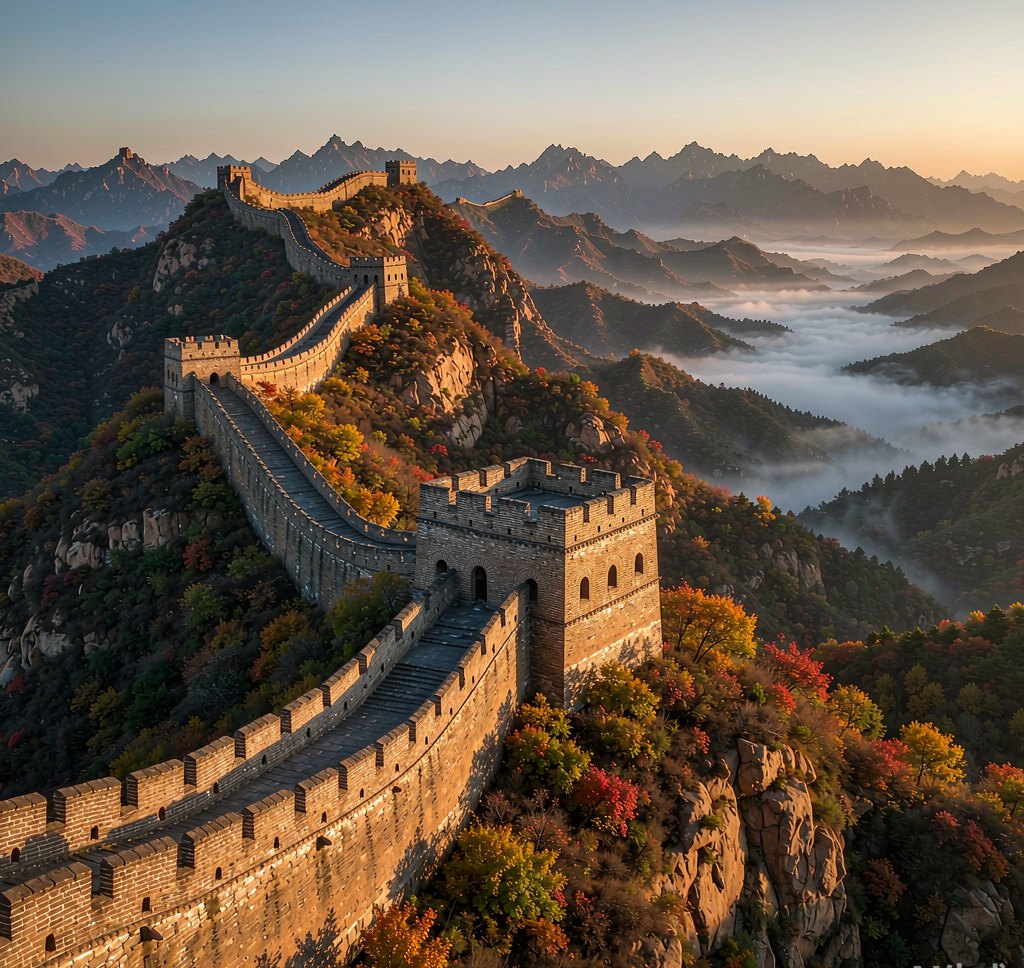 Classic
Beijing
北京Three full days covers the imperial axis, one section of the Wall and the hutongs in between.
Classic itineraries, sights and notes →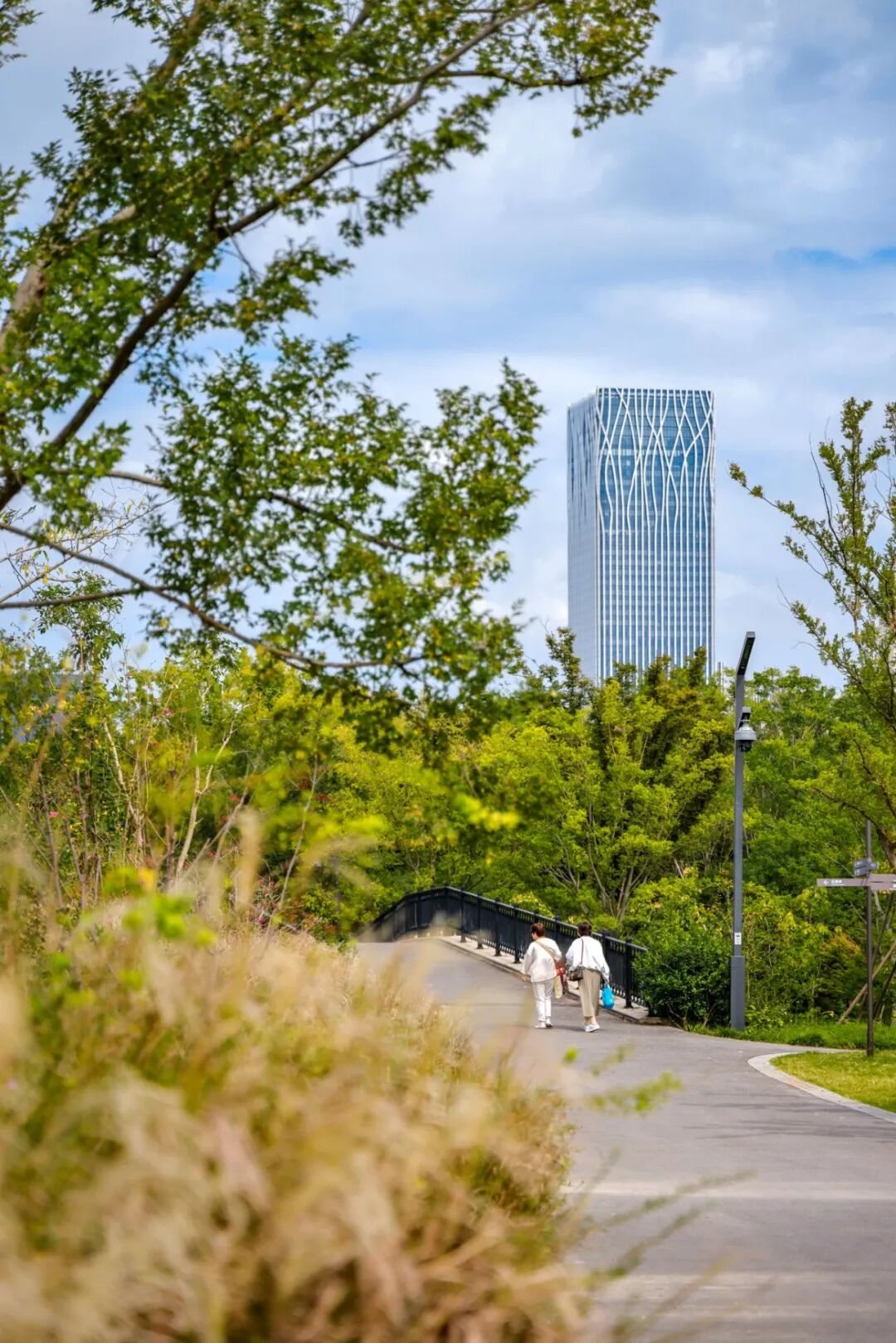 Classic
Shanghai
上海Shanghai is where most private China itineraries begin and end.
Classic itineraries, sights and notes →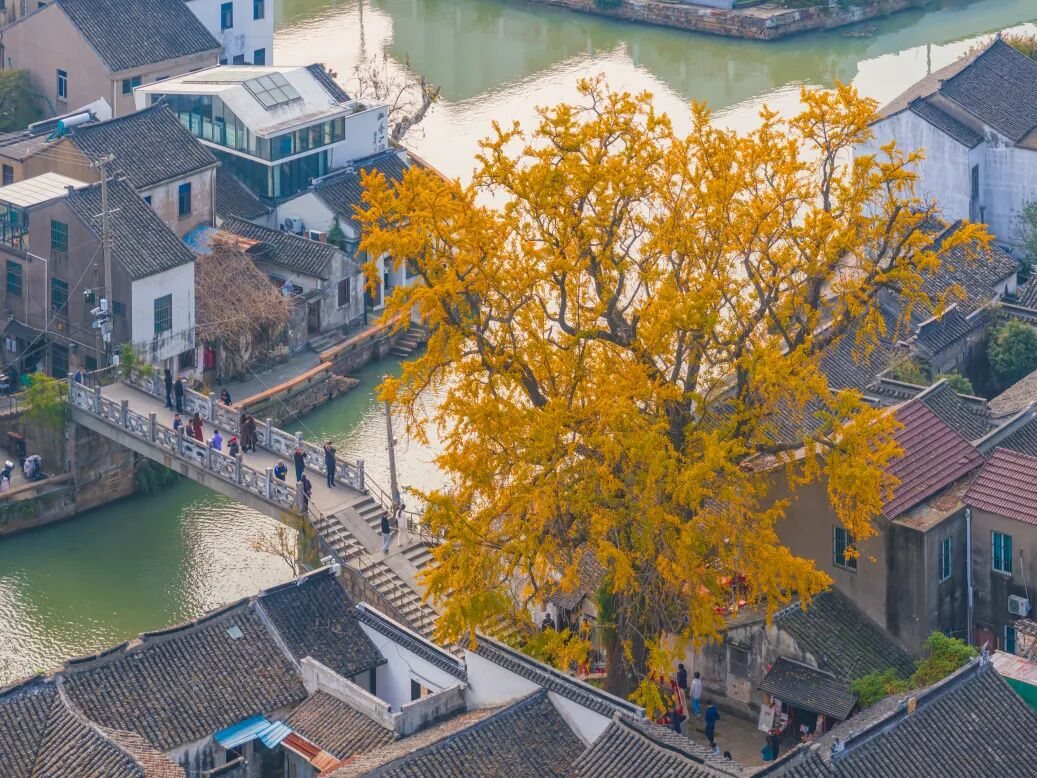 Classic
Suzhou
苏州Suzhou is under half an hour from Shanghai by high-speed train and feels a century away.
Classic itineraries, sights and notes →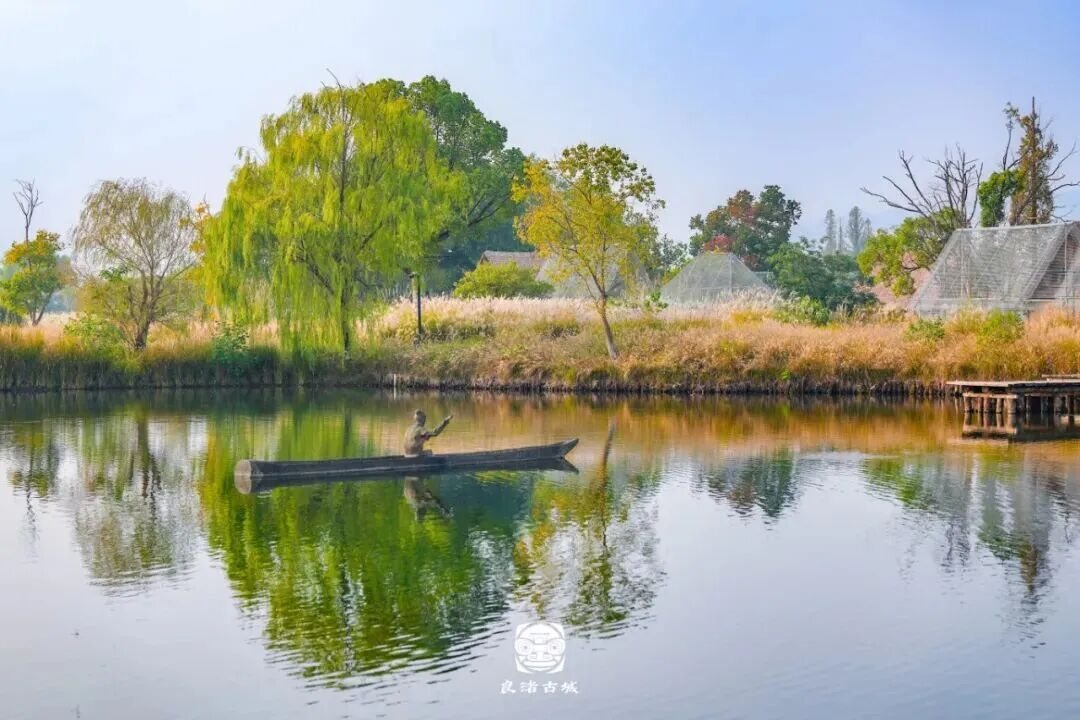 Classic
Hangzhou
杭州Hangzhou is arranged around West Lake, and the whole city is built to look at it.
Classic itineraries, sights and notes →Wuzhen & Puyuan
乌镇 · 濮院Between Shanghai and Hangzhou, a cluster of canal towns keeps the old Jiangnan pattern intact: stone bridges, timber houses standing over water, lanes too narrow for cars.
Classic itineraries, sights and notes →Wuxi
无锡Wuxi is the one city in the delta where the Grand Canal still runs through the middle of town with houses pressed against it, and where the ancestral halls of the old merchant families are free to walk into.
Classic itineraries, sights and notes →Guangzhou
广州The southern gateway, and the second entry point most foreign visitors use after Shanghai.
Classic itineraries, sights and notes →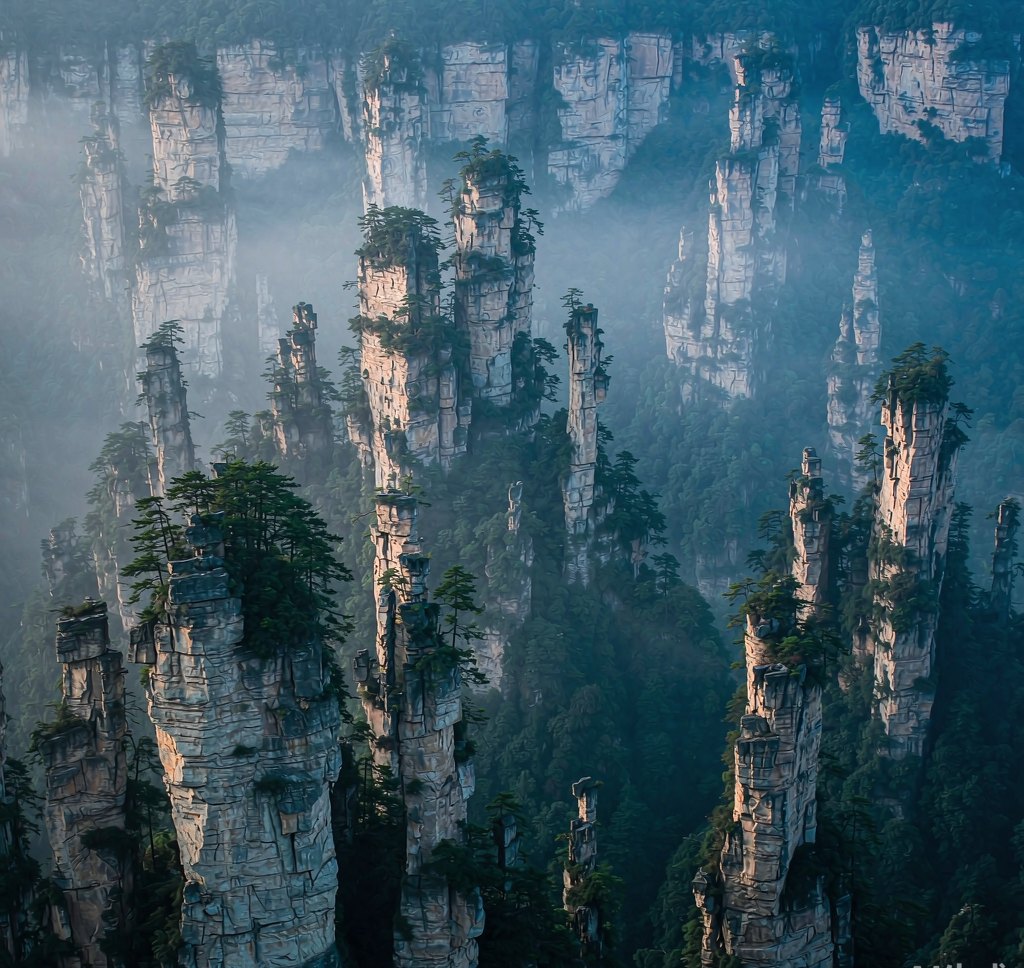 Visa-free
Zhangjiajie
张家界Four hundred square kilometres of sandstone pillars standing out of subtropical forest, and the landscape that UNESCO listed as Wulingyuan in 1992.
Classic itineraries, sights and notes →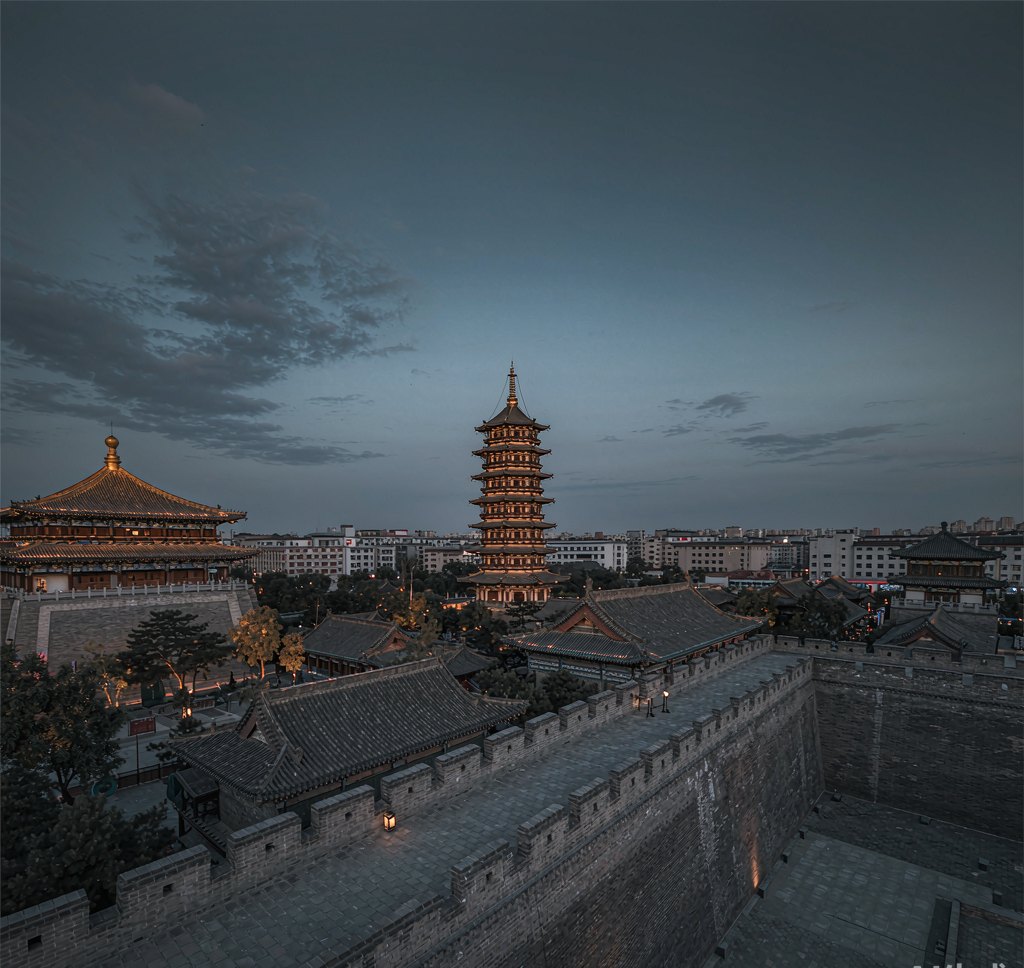 Classic
Xi’an
西安The eastern end of the Silk Road and capital to thirteen dynasties.
Classic itineraries, sights and notes →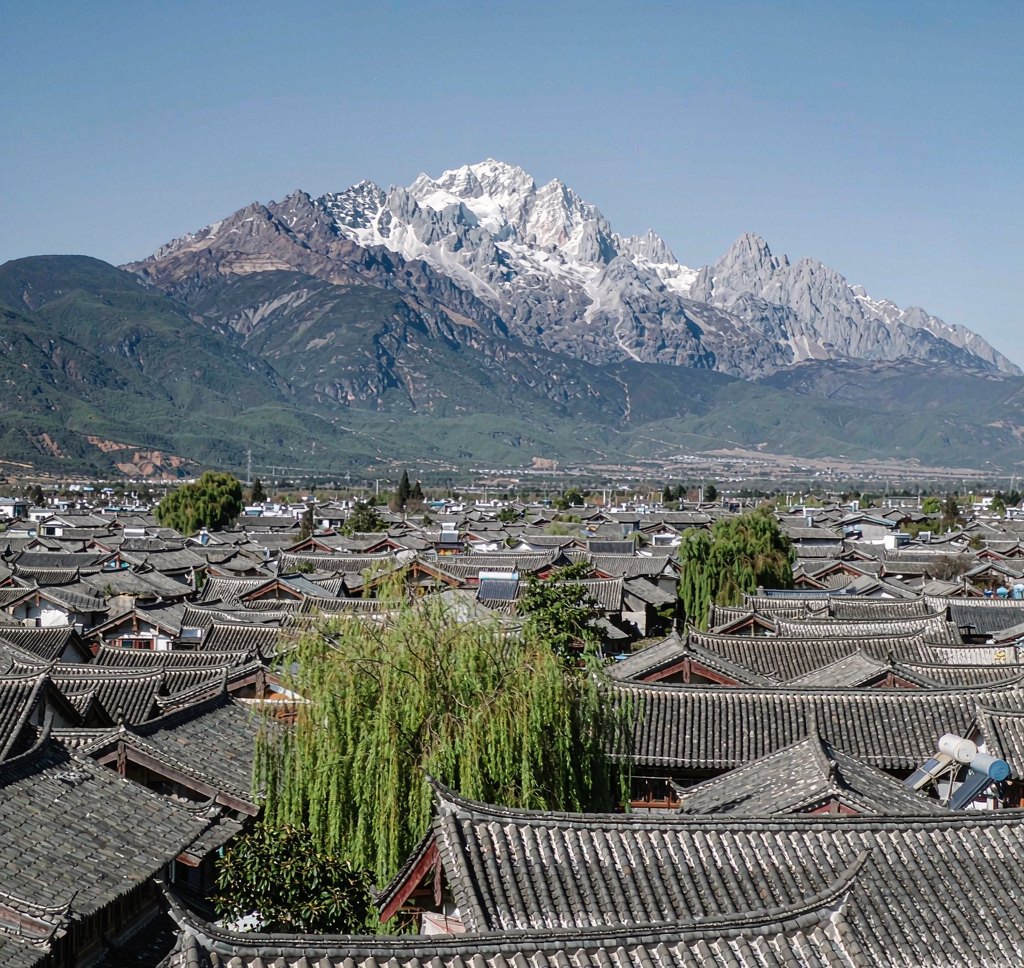 Classic
Yunnan
云南From tropical Xishuangbanna to Tibetan Shangri-La within one province, and a vertical climb of three thousand metres between them.
Classic itineraries, sights and notes →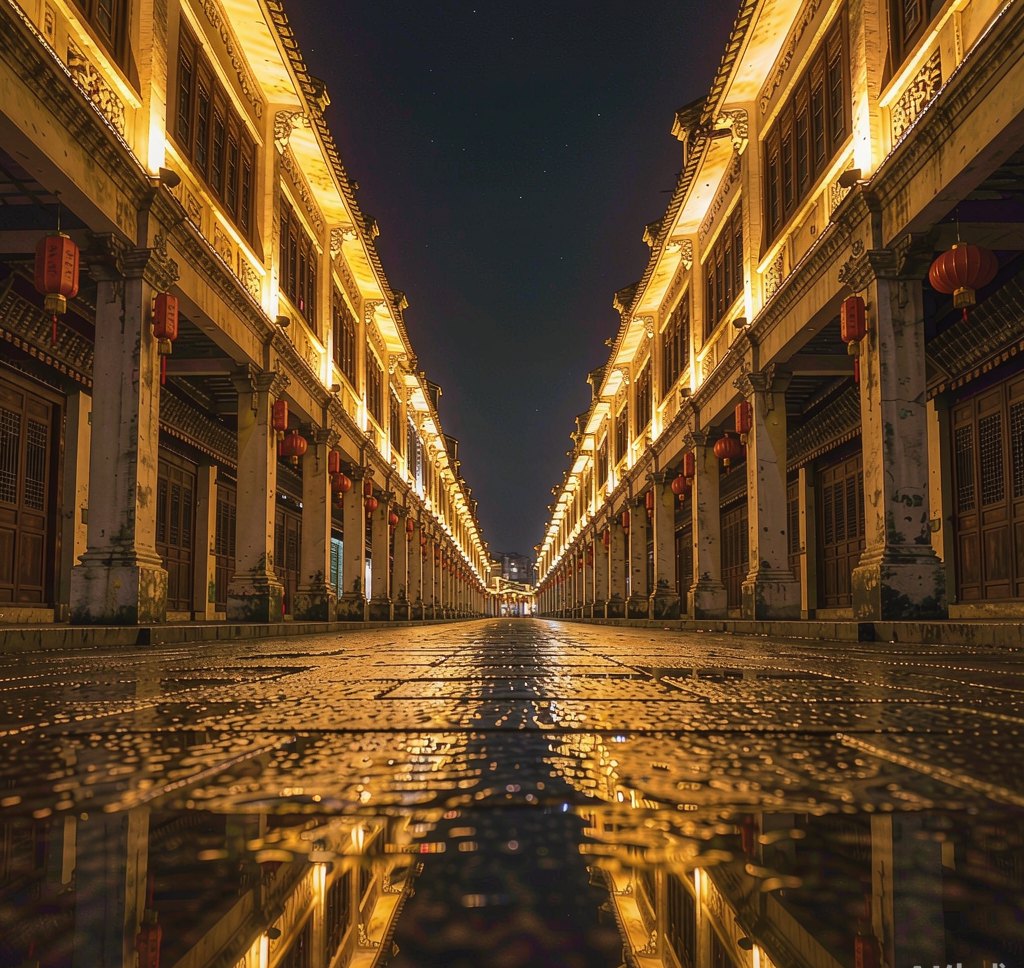 Food
Chaoshan
潮汕Three cities that behave like one — Chaozhou, Shantou and Jieyang, on the coast of eastern Guangdong.
Classic itineraries, sights and notes →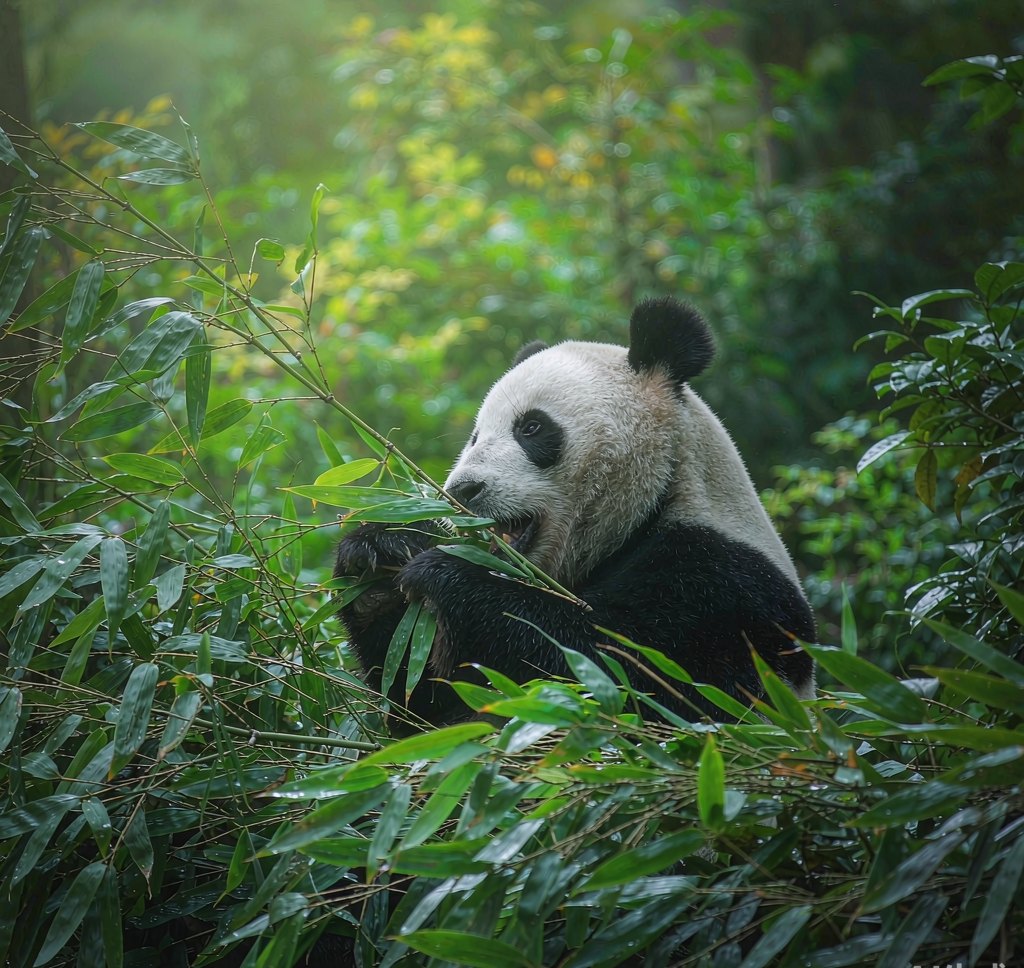 Wildlife
Sichuan
四川Chengdu’s teahouses and pandas, then mountains: Jiuzhaigou’s lakes, Emei Shan, and the Tibetan edge of the province.
Classic itineraries, sights and notes →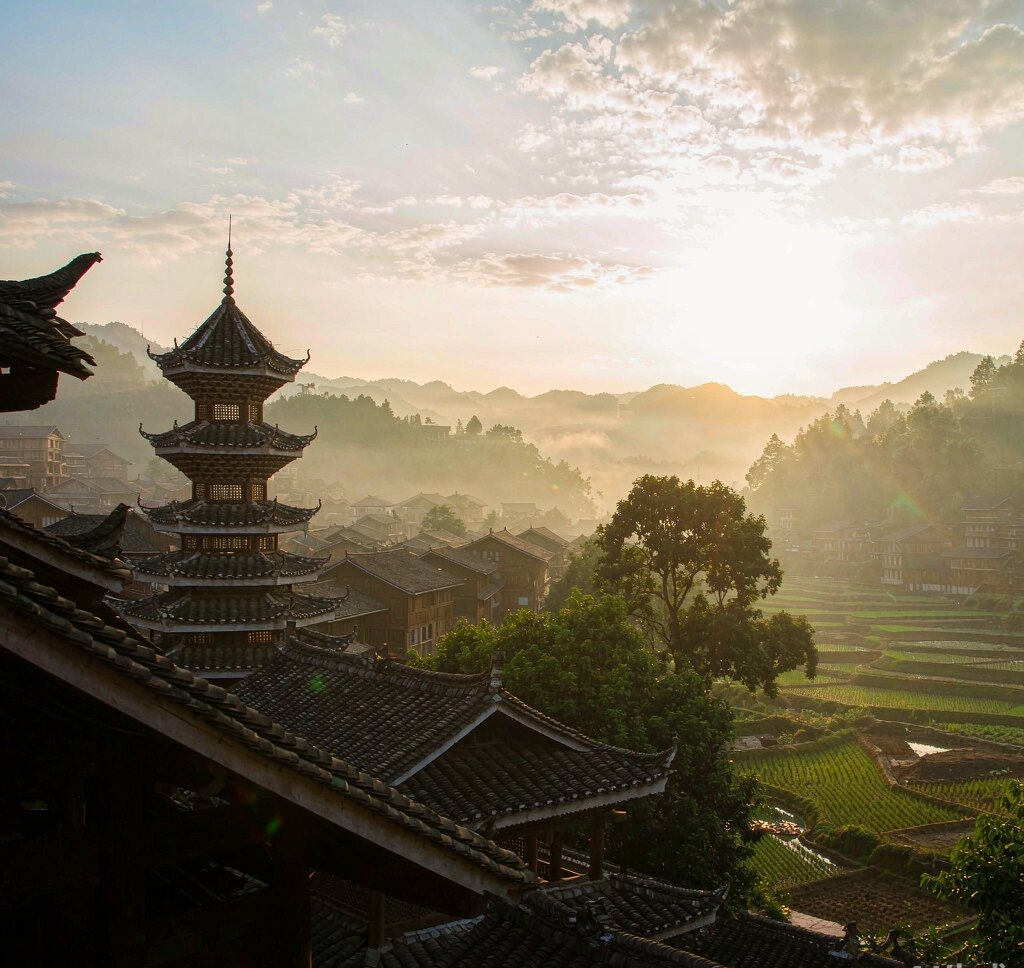 Visa-free
Guizhou
贵州One of China’s most ethnically diverse provinces and one of its least visited by foreigners.
Classic itineraries, sights and notes →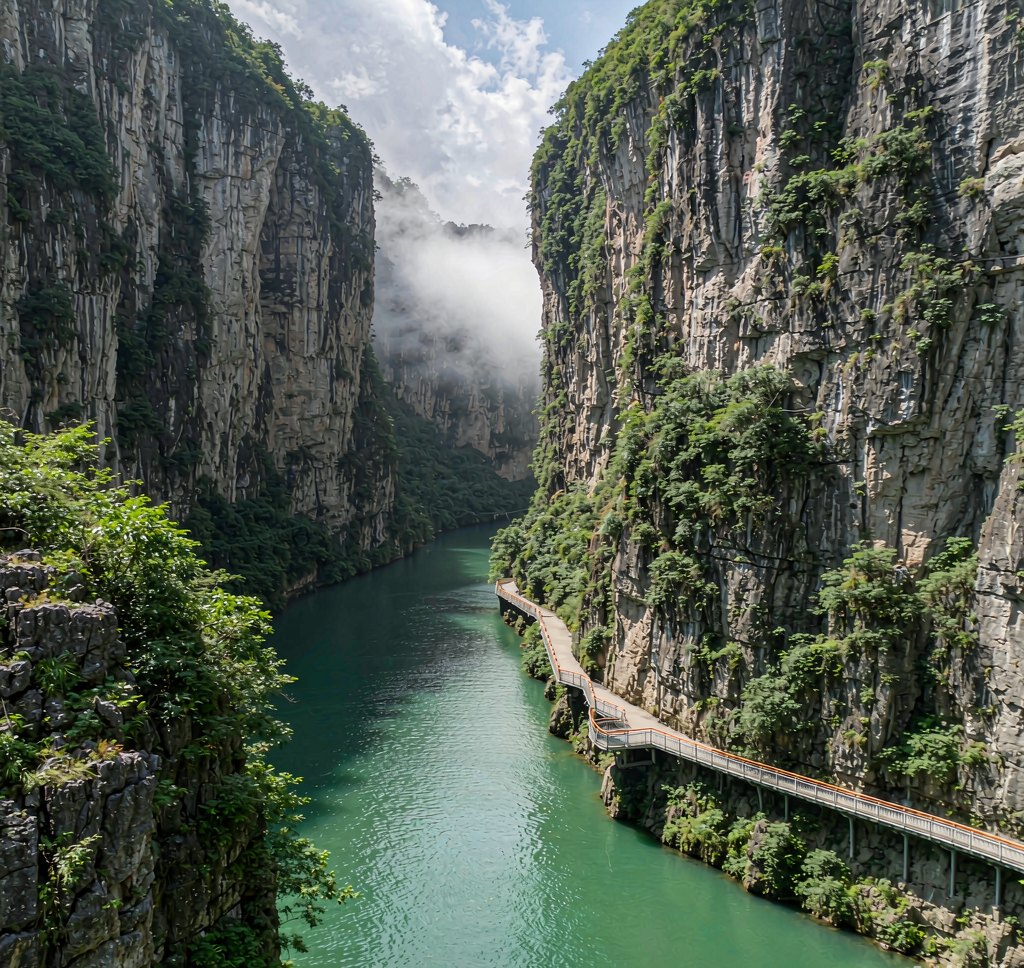 Visa-free
Enshi
恩施A limestone canyon region in western Hubei, home to the Tujia minority and to landscapes that look like a smaller, emptier Zhangjiajie.
Classic itineraries, sights and notes →Regions come first because they are how most trips are actually shaped: East China as a rail loop, South China as a food route. The places sit underneath them, and a place page is where the day-by-day detail lives.