Three days: the axis and the Wall
3 days · 3 nights
First visit, mixed ages, no hiking
- Day 1Tiananmen, the Forbidden City at opening, Jingshan for the view back, and the hutongs at Shichahai in the late afternoon.
- Day 2Mutianyu: cable car up to Tower 14, walk the ridge, back in the city by five. Nothing else booked that evening.
- Day 3Temple of Heaven at seven for the park, the through ticket for the halls, then the Summer Palace in the afternoon or the Lama Temple if the day is short.
Four days: add the Summer Palace
4 days · 4 nights
Anyone who wants the palace and the lake in the same trip
- Day 1–3As above, but move the hutongs to a separate early morning and give the Forbidden City a full four hours.
- Day 4Summer Palace in the morning, Yuanmingyuan’s ruins after lunch, Lama Temple at closing time when the tour groups have gone.
Six days: Beijing into Shanghai
6 days · 5 nights
Travellers who want two regions without a domestic flight
- Day 1–3The imperial axis, Mutianyu, and the Temple of Heaven.
- Day 4Beijing South to Shanghai Hongqiao, 4 hours 18 minutes. The Bund after dark.
- Day 5Shanghai: Yu Garden, the French Concession, the Suzhou day trip if you would rather have gardens than streets.
- Day 6A slow morning, then out from PVG or SHA.
These are shapes we build regularly, not fixed departures. Move a day, drop a city, add a night — the route is rewritten around your dates, and quoted in writing before anything is booked.
The imperial axisTiananmen Square, the Meridian Gate and the Forbidden City run south to north on one line, with Jingshan Park at the far end for the view back across the roofs. The first hour after opening is the quietest; allow four hours for the palace alone, more if you add the Treasure Gallery and the Clocks Gallery.
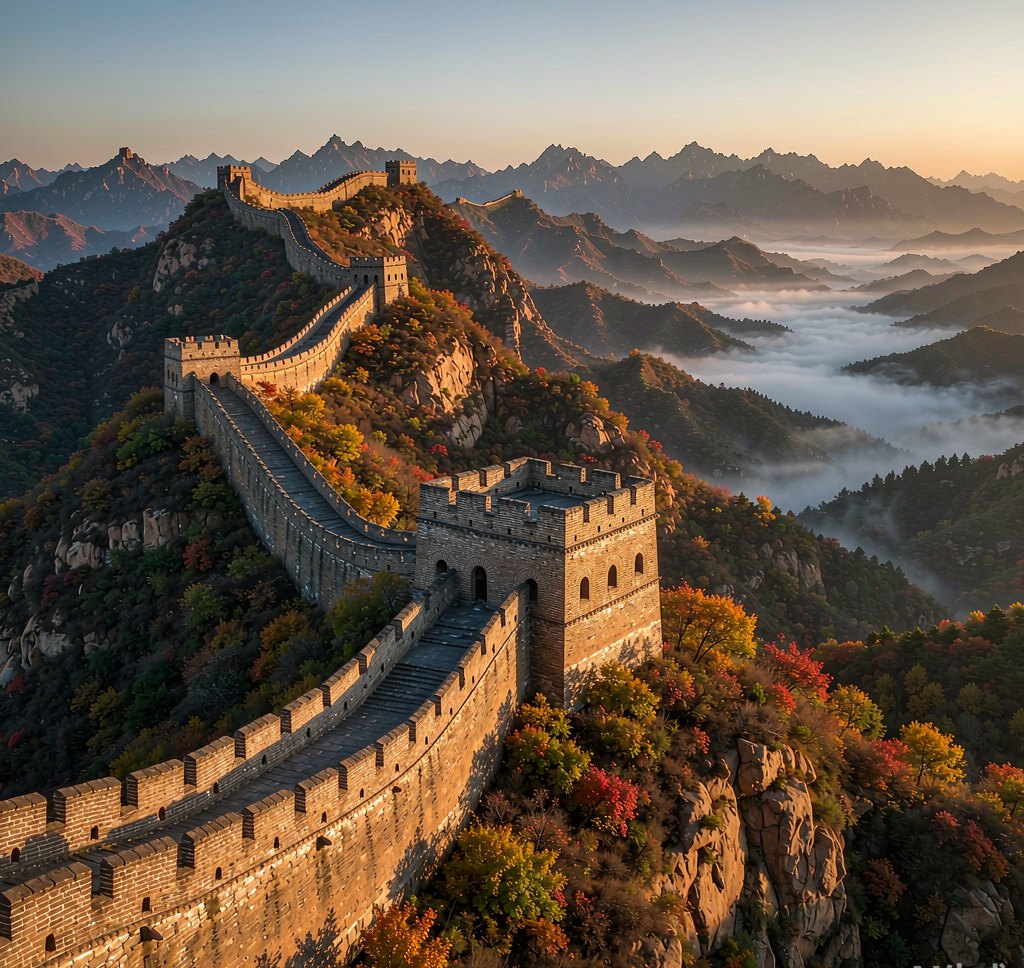
Which section of the WallMutianyu is 70 km northeast, about 90 minutes by road, with a cable car up to Tower 14 and a restored ridge walk either side of it. Badaling is the closest to the city and the busiest — most coach groups go there. Jinshanling is 130 km out, largely unrestored, and a hike rather than a visit. We default to Mutianyu.
Temple of Heaven, and what the ticket coversThe park and the temple are ticketed separately. The park ticket gets you the grounds, where locals dance, sing and play cards from about seven in the morning. The through ticket adds the Hall of Prayer for Good Harvests, the Echo Wall and the Circular Mound. The photograph you have seen is inside the second one.
The hutongsShichahai and Yandai Xiejie are the postcard version: a lake, a 200 m shopping lane, and pedicabs waiting at the corner. The courtyards behind the water are the real thing, and early morning is the only time to walk them. Most are still private homes — look through an open gate, not over a wall.
The Summer PalaceForty minutes northwest of the centre, and half a day on its own: Kunming Lake, the Long Corridor, Longevity Hill. It is the one sight in Beijing built for pleasure rather than for ceremony, and it shows. Pair it with the ruins at Yuanmingyuan if you want the contrast in the same afternoon.
Lama Temple and the Olympic ParkYonghegong was a prince’s residence before it became a Tibetan Buddhist temple, and it is still active — the incense smoke by nine in the morning is the point, not the architecture. The Olympic Park is a twenty-minute look at the Bird’s Nest and the Water Cube from outside. Worth it at dusk, not worth an afternoon.
Book the palace firstNothing else in Beijing needs planning as early. Tickets go on sale seven days out at 20:00 and the weekend slots are gone within minutes in spring and autumn. Passport number must match the visitor.
The Wall in winterMutianyu stays open year-round and is at its clearest in December and January — cold, dry, and with very few people on the ridge. The cable car can close for wind; the toboggan run does.
Getting into the centreTiananmen Square requires a reservation through its own mini-programme, separate from the palace ticket. Security queues at the square are longest between nine and eleven.