Four days: Guangzhou and the delta
4 days · 3 nights
A first pass at the south, based in one hotel
- Day 1Huacheng Square and the Canton Tower from below, Shamian Island on foot, Pearl River cruise after dark.
- Day 2Foshan: the Ancestral Temple and Lingnan Tiandi, back for dinner in Xiguan.
- Day 3Shunde: Qinghui Garden, the old lanes at Shawan, and one long lunch.
- Day 4Yum cha, Yongqing Fang, and out from Baiyun — or the 47-minute train to Hong Kong.
Six days: add the Teochew coast
6 days · 5 nights
Food-led travel, and anyone who has already seen the delta
- Day 1–3Guangzhou, Foshan and Shunde, as above but a day slower.
- Day 4High-speed rail to Chaoshan station, then Chaozhou old town: Paifang Street, Guangji Bridge at dusk.
- Day 5Tea, woodcarving workshops, and the drive to Shantou for the old town and Queshi.
- Day 6Beef hotpot before noon, then out from Jieyang Chaoshan airport.
Five days: Hong Kong in, Guangzhou out
5 days · 4 nights
Travellers already flying into or out of Hong Kong
- Day 1Cross at West Kowloon: 47 minutes to Guangzhou South, hotel in the old city.
- Day 2–3Guangzhou and Foshan.
- Day 4Shunde, then Chaoshan by rail in the evening.
- Day 5Chaozhou in the morning, out from SWA.
These are shapes we build regularly, not fixed departures. Move a day, drop a city, add a night — the route is rewritten around your dates, and quoted in writing before anything is booked.
Cantonese food, at the sourceYum cha in the morning, roast goose at lunch, seafood at night. Guangzhou and Shunde are where the cooking that filled Chinatowns everywhere actually comes from, and the standard is higher than the export version.
Shamian and XiguanAround 150 colonial-era buildings on a car-free island, then the old Cantonese quarters at Yongqing Fang and Shangxiajiu — arcades, shophouses, and the city eating on the pavement.
Foshan’s Ancestral TempleA Northern Song foundation with iron statues, ceramic ridge figures and a district of arcaded streets at Lingnan Tiandi around it. Forty minutes from central Guangzhou on the metro.
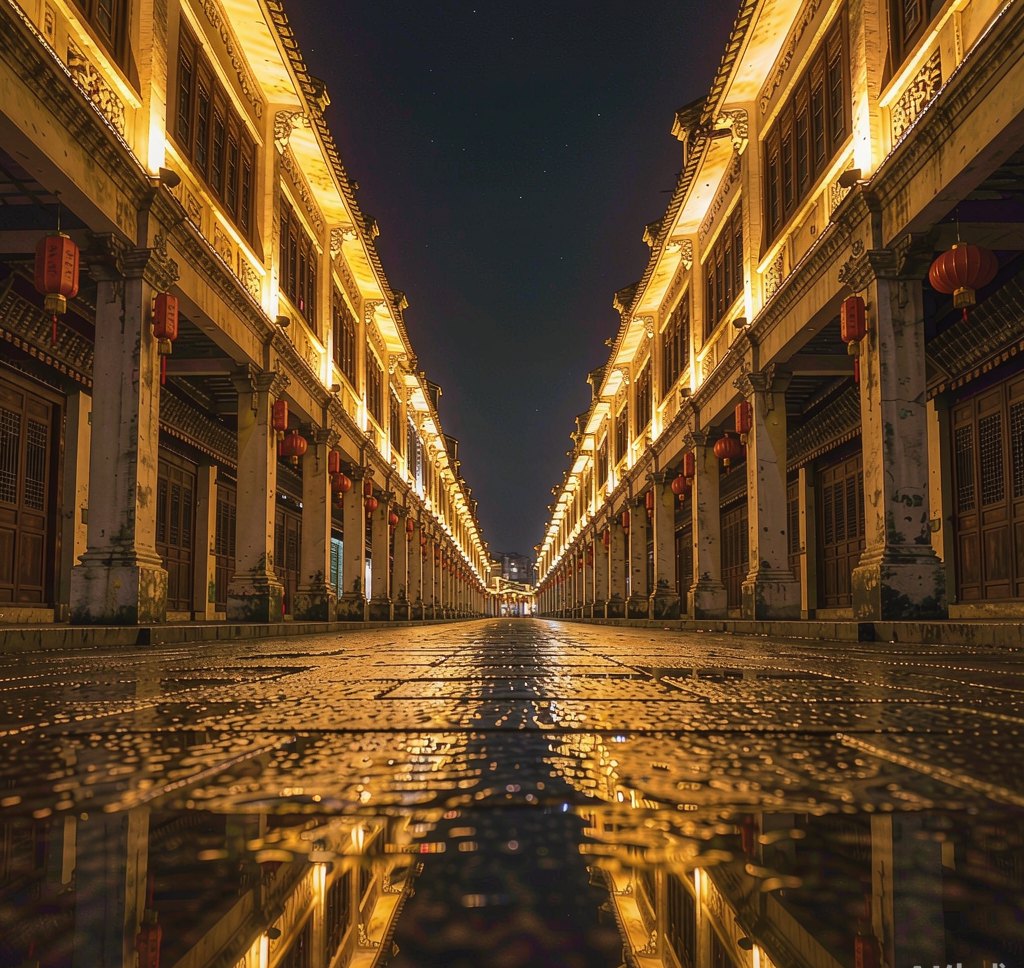
Chaozhou’s old townTwenty-two stone arches down one street, a pontoon bridge that opens twice a day, and a walled grid that has been continuously lived in for a thousand years.
Gongfu tea, poured properlyPhoenix dancong oolong, three cups, a kettle never off the boil. In Chaozhou the tea is not a ceremony for visitors — it is what happens in every shop between customers.
When to eat whatYum cha runs from about seven in the morning until two. Roast goose sells out by early afternoon. Seafood is a night meal, and the night markets start after nine.
Heat and typhoonsOctober to December is dry and around 20–25°C. July to September brings typhoons that can close airports and the Hong Kong rail link for a day at a time.
Language on the groundCantonese and Teochew are the local languages, and Mandarin is the second language in both. English is thinner here than in Shanghai — menus with photographs are your friend.
 Food